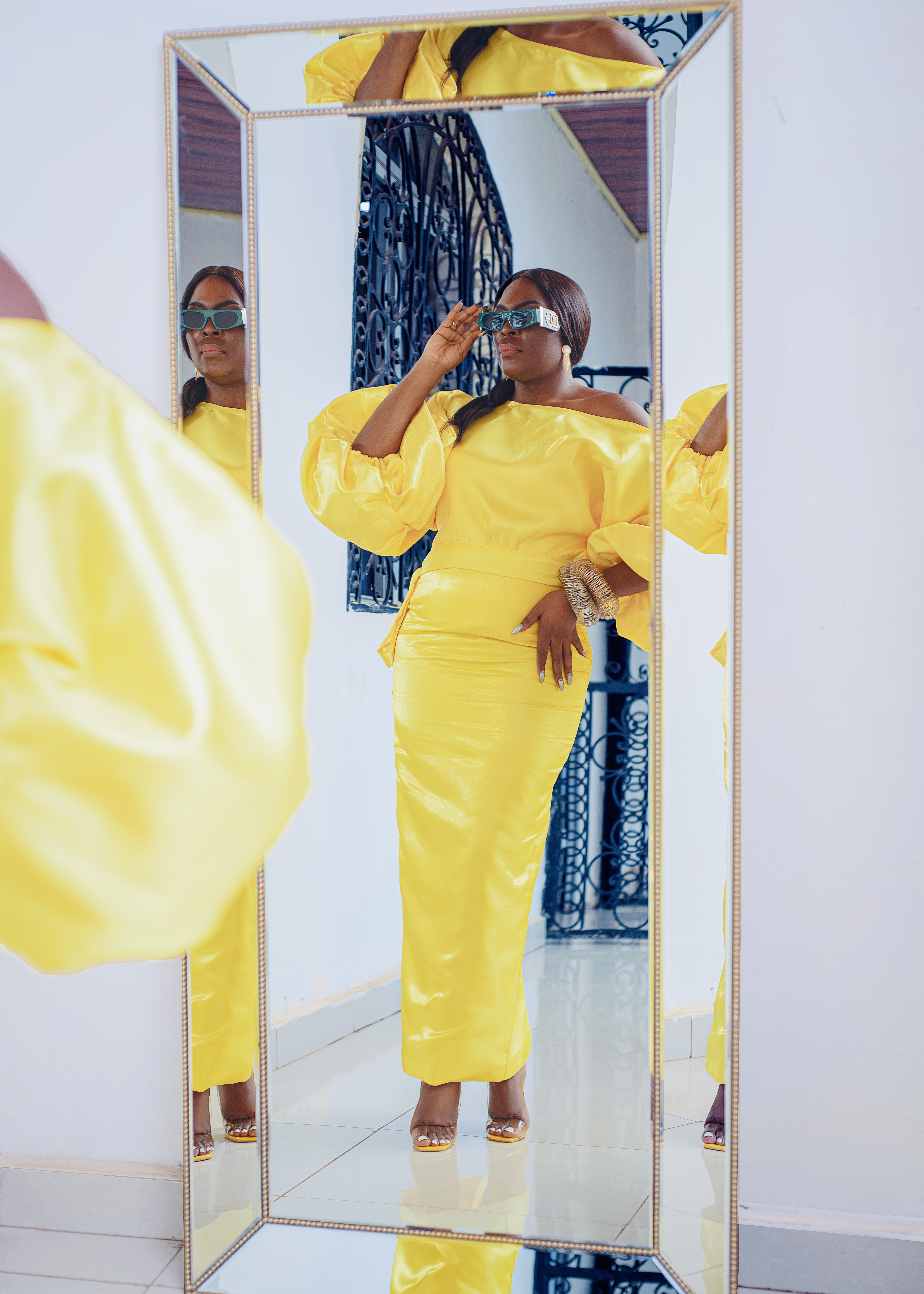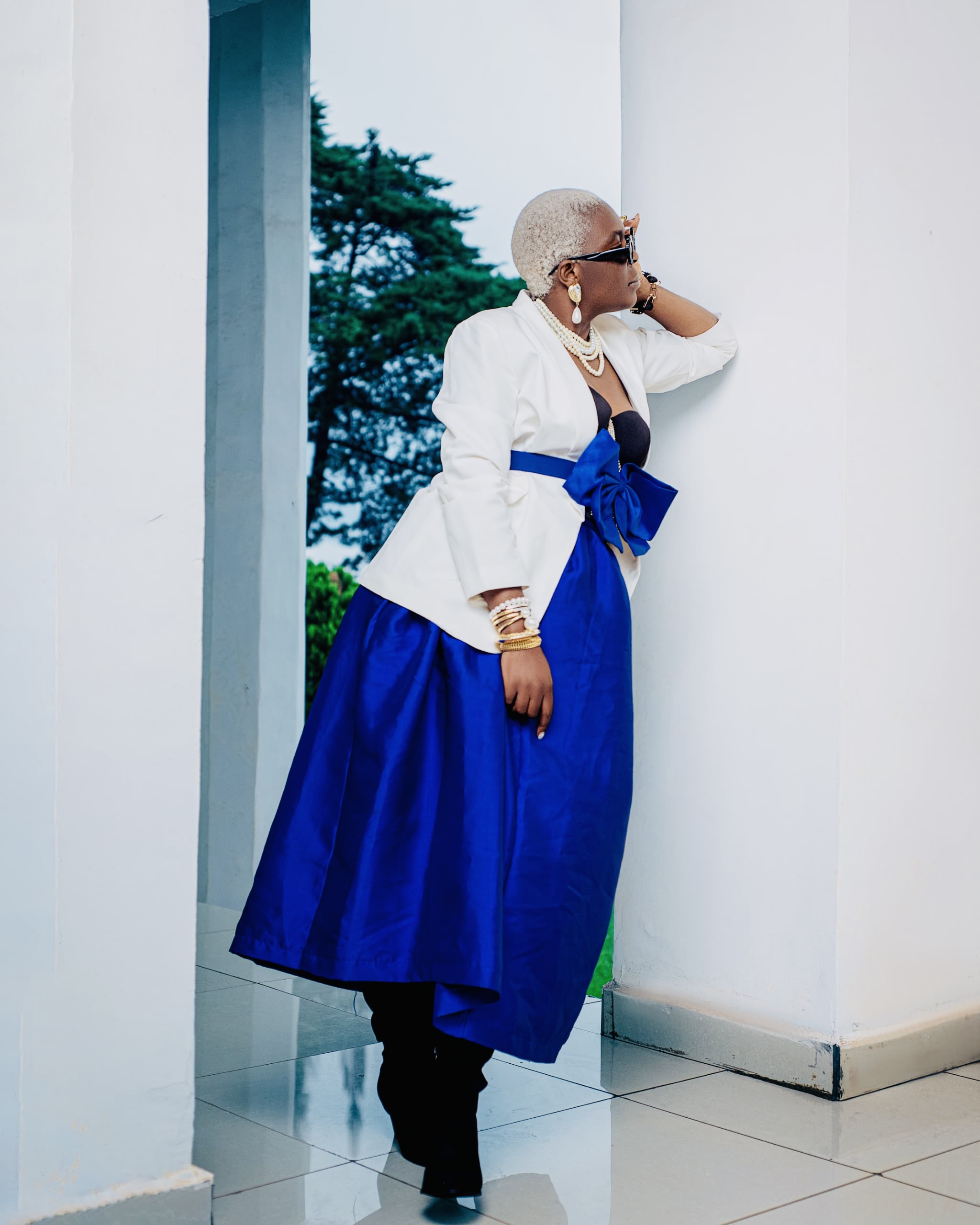
How choosing what to wear transforms from a daily routine into a profound act of reclamation for survivors.
"Clothing is not just fabric; it is the interface between our bodies and the world. For survivors of sexual violence, the relationship with one's body can become fractured. The mirror, once a friend, becomes a source of anxiety. In this context, choosing what to wear transforms from a daily routine into a profound act of reclamation."
I remember the first time I got dressed after my assault. I stood in front of my closet for what felt like hours, touching fabric after fabric, pulling out pieces and putting them back. Nothing felt right. Nothing felt like mine. My body had been violated, and suddenly every piece of clothing felt like either armor or provocation—never just fabric.
This experience isn't unique to me. In conversations with other survivors, a theme emerges: the complicated relationship with our bodies and the clothes that cover them. Some of us dress to disappear, choosing oversized, neutral, forgettable clothes. Others dress to reclaim visibility, choosing bold patterns and bright colors as a declaration: I am still here.
The Politics of the Gaze
When we talk about fashion and sexual violence, we can't ignore the cultural narratives that blame survivors for what they wear. "She was asking for it" is a sentence built on the assumption that clothing communicates consent. That a short skirt is an invitation. That a low-cut top is a provocation.
This narrative is not only false—it's dangerous. It shifts responsibility from perpetrator to survivor, from the one who harmed to the one who was harmed. It teaches us to police each other's bodies instead of teaching consent.
"Fashion became my armor. When I couldn't speak, my clothes told the world I was still here, still strong, still fighting."
— Anonymous Survivor
Reclaiming Through Style
For many survivors, healing involves reclaiming not just our bodies, but our right to adorn them however we choose—for ourselves, not for anyone else's gaze.
This reclamation looks different for everyone:
- The Power Suit: Some survivors find strength in sharp tailoring, structured silhouettes that feel like armor against the world.
- Sensual Reclamation: Others find healing in reconnecting with their sensuality on their own terms, choosing clothes that feel good against their skin.
- Comfort as Resistance: For many, simply wearing what feels comfortable—without regard for trends or others' opinions—is a radical act.
- Color as Medicine: Some survivors use color to shift their mood and energy, choosing bright hues as an antidote to darkness.